
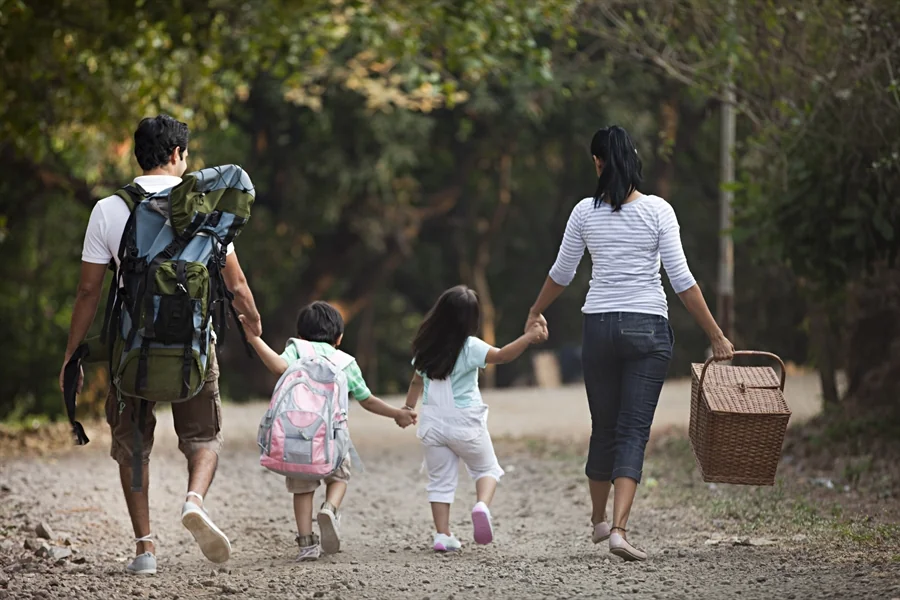
Travel can be one of the best ways to step away from a busy routine and experience something different. A new place can bring fresh views new flavors and stories that stay with you for years. Yet even a simple trip can become stressful when there is little planning behind it.
Good travel planning does not mean creating a strict schedule for every minute. It means knowing the important details before leaving while keeping enough freedom to enjoy unexpected moments. A balanced plan can help you save money avoid common problems and make better use of your time.
Whether you are planning a short weekend break or a longer holiday the basics remain similar. You need to think about your destination budget transport accommodation food safety and activities. You also need to leave room for rest because a trip should not feel like another busy workday.
The good news is that travel planning can be simple. With a few practical habits you can prepare for your journey without making the process complicated.
Choose a Destination That Fits Your Trip
Choosing the right destination is one of the first important travel decisions. A beautiful place may look perfect online but it may not match your budget or the type of experience you want.
Start by thinking about what you want from the trip. Some people want quiet beaches and slow mornings. Others prefer busy cities with museums shopping and nightlife. Nature lovers may enjoy mountains forests or national parks. Families may prefer destinations with comfortable transport and activities for different age groups.
Your available time should also influence your choice. If you only have a few days then a destination that requires long flights and several transfers may leave little time for enjoyment. A nearby destination can sometimes offer a much better experience.
Weather is another important factor. Check the usual climate during your travel dates. Rainy seasons can affect outdoor plans while extreme heat may make sightseeing uncomfortable. Some destinations are also much more crowded during peak seasons.
Think about travel requirements before making a final decision. Check passport rules visa requirements entry conditions and local regulations when relevant. Knowing these details early can prevent unpleasant surprises later.
Most importantly choose a destination that matches your personal interests. A trip does not need to be famous to be meaningful. Sometimes a quiet town or less crowded area can create better memories than a popular tourist spot.
Create a Realistic Travel Budget
Money can have a major effect on the quality of a trip. A clear budget helps you enjoy your journey without constantly worrying about expenses.
Begin with the largest costs. These usually include transportation accommodation food and major activities. After that add smaller expenses such as local transport entrance fees snacks internet access and shopping.
Do not plan your budget around the cheapest possible prices. Prices can change and unexpected costs can appear. It is better to keep an emergency amount separate from your main travel budget.
Accommodation is one area where careful comparison can make a big difference. A cheaper room may look attractive but location also matters. Staying far from the places you want to visit can increase transportation costs and take more of your time.
Food can also be managed without removing the fun from the trip. You do not need to eat at expensive restaurants every day. Local cafés markets and small family owned restaurants can often provide enjoyable meals at reasonable prices.
Transportation deserves attention too. Compare flights trains buses rental cars and local transport options. Sometimes the cheapest ticket is not the cheapest overall option if it involves long transfers or expensive connections.
A good travel budget should give you structure without making you afraid to spend. Set limits for major categories and keep some money available for experiences that were not part of the original plan.
Pack Smart and Keep Things Simple
Packing is often more difficult than it needs to be. Many travelers pack for every possible situation and end up carrying bags filled with things they never use.
Start by checking the weather for your destination. Pack clothing that works well together so you can create several outfits from a small number of pieces. Comfortable shoes are usually more valuable than bringing several pairs for different looks.
Keep important items easy to reach. Your passport travel documents medication chargers and essential personal items should not be buried at the bottom of your luggage.
A small travel bag can be useful for daily activities. It can hold your phone wallet water bottle power bank and other items you need while sightseeing.
Try to leave some space in your luggage. You may want to bring home gifts or local products. An overpacked bag can also make moving between hotels and transport stations more difficult.
Toiletries can often be reduced by using smaller containers. Many hotels also provide basic items such as soap and shampoo. There is no need to carry large bottles unless you specifically need them.
Before leaving home check your luggage one more time. Ask yourself whether each item is genuinely useful. If something is unlikely to be used then it may be better left at home.
Light packing can make travel more comfortable. You can move more easily and spend less time managing your belongings.
Plan Your Days Without Overplanning
A travel itinerary is useful but it should not control your entire trip.
One common mistake is trying to visit too many places in a single day. Travelers may schedule breakfast at one location then visit several attractions before crossing the city for dinner. This can look exciting on paper but become exhausting in real life.
Instead choose a few important activities for each day. Leave open periods for rest food and unexpected opportunities.
Research the main attractions before your trip. Find out whether they require advance tickets or have specific opening hours. Some popular locations may be busy during certain times of the day.
Group activities by location when possible. Visiting nearby places on the same day can reduce travel time and make the day more relaxed.
Do not be afraid to change your plan. Maybe you find a local market that you want to visit or meet someone who recommends a small restaurant. These unexpected moments can become some of the best parts of travel.
A flexible itinerary gives you direction without removing freedom.
Remember that rest is part of the trip. Sitting in a café watching people walk by can be just as enjoyable as visiting another attraction. You do not have to make every minute productive.
Make Food Part of the Experience
Food is more than something you need to eat while traveling. It can be an important part of understanding a destination.
Local food can tell you about a place’s history traditions and daily life. Try dishes that are popular among local residents rather than choosing only familiar international meals.
If you are unsure about a dish ask someone at the restaurant what they recommend. Staff members often know which meals are popular.
Street food can also be an interesting experience. Look for busy stalls zavalio com with a steady flow of customers. Freshly prepared food is generally preferable when choosing where to eat.
However be mindful of food safety. If you have allergies or dietary restrictions learn a few useful phrases in the local language. This can make communication easier.
Markets can offer another way to experience local flavors. You may find fresh fruit baked goods snacks and regional specialties.
Do not feel that every meal needs to be special. Some days you may want a quick breakfast before sightseeing. Other times you may want to sit down for a long meal and enjoy the atmosphere.
Keep an open mind while still listening to your body. Trying something new can be exciting but you should not feel pressured to eat something that makes you uncomfortable.
Stay Safe and Prepared
Safety should always be part of travel planning. Most trips go smoothly but basic preparation can help you handle problems if they occur.
Keep copies of important travel documents. Store digital copies securely and keep physical documents in a safe place. Avoid carrying all your important belongings together when you are sightseeing.
Pay attention to your surroundings. Crowded tourist areas can attract pickpockets. Keep your phone wallet and other valuable items secure.
Learn about local laws and customs before traveling. Something that seems normal at home may be considered inappropriate elsewhere. Respecting local culture can help you avoid unnecessary problems.
Know how to contact emergency services at your destination. It can also be useful to know where the nearest hospital or medical facility is located.
Travel insurance may provide useful protection depending on your destination and circumstances. Review what a policy covers before purchasing it rather than assuming every situation will be included.
Be careful when using public Wi-Fi. Avoid accessing sensitive accounts on unsecured networks when possible. A secure connection can reduce certain online risks.
If you are traveling alone let someone you trust know your general itinerary. You do not need to report every movement but someone should know where you are staying and how to reach you.
Good safety habits should not make you anxious. They simply give you more confidence to enjoy the journey.
Enjoy Local Culture and Travel Responsibly
Travel becomes more meaningful when you look beyond tourist attractions.
Spend time learning about local culture. Visit museums and historic areas when they interest you. Talk respectfully with local people. Try traditional foods and observe everyday life.
Learn a few basic words in the local language. Simple expressions such as hello thank you and please can make interactions warmer. You do not need to become fluent to show respect.
Be mindful of local customs. Dress appropriately for religious or cultural sites. Follow photography rules and ask before taking close-up pictures of people.
Responsible travel also means thinking about the environment. Avoid unnecessary plastic waste. Carry a reusable bottle when practical. Use public transport or walk when it is safe and convenient.
Support local businesses when possible. Eating at local restaurants and buying products from local makers can help keep money within the community.
Nature also deserves respect. Do not leave rubbish behind. Stay on marked paths where required and avoid disturbing animals.
Travel is not only about what you take from a destination. It is also about how you leave it behind.
When you treat local communities and natural spaces with care your journey can become more rewarding for everyone.
Final Thought
Travel does not have to be complicated to be memorable. The best trips often come from a balance between preparation and freedom.
Choose a destination that fits your interests and available time. Create a realistic budget and pack only what you need. Plan enough activities to give your days direction but leave room for slow moments and unexpected experiences.
Take care of your safety and respect the people and places you visit. Try local food when you can and remain open to experiences that may be different from what you know.
Most importantly do not measure a successful trip by the number of attractions you visit. A quiet conversation with a local person a beautiful sunset or a simple meal in a small restaurant can become a lasting memory.
Travel gives you a chance to step outside your normal routine. It can teach you patience curiosity and appreciation for different ways of life.
With thoughtful preparation and a flexible attitude you can spend less time worrying about the journey and more time enjoying it.