
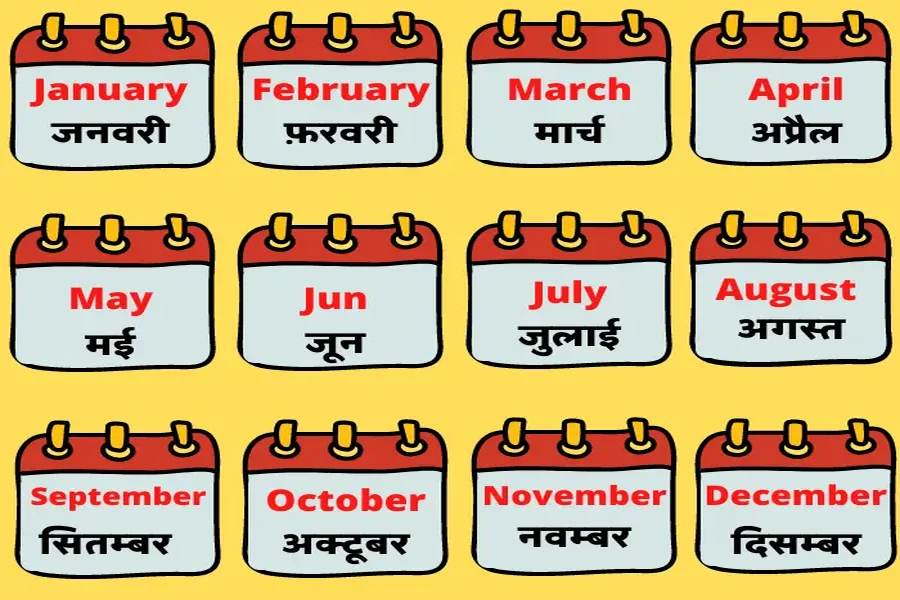
The hindi months name are an important part of Indian culture and tradition. Although the English calendar is used for schools offices and daily life many people still follow the Hindu calendar for festivals religious ceremonies and special occasions. Every month has its own meaning seasonal importance and cultural value.
The Hindu calendar has been followed for centuries. It is connected with the movement of the Moon which is why the starting dates of the months change slightly every year. This calendar helps people determine the dates of important festivals fasting days and religious celebrations.
Learning the Hindi months is useful for students teachers travelers and anyone who wants to understand Indian traditions. Once you know the names of the months it becomes much easier to understand why festivals such as Holi Diwali and Navratri fall on different English dates every year.
This guide explains the complete hindi months name list along with their meanings seasons festivals and practical importance in everyday life.
Complete List of hindi months name
The Hindu calendar contains twelve months just like the English calendar. Each month usually overlaps with two English months because the Hindu calendar follows the lunar cycle.
| Hindi Month | Hindi Script | Approximate English Months |
|---|---|---|
| Chaitra | चैत्र | March to April |
| Vaishakha | वैशाख | April to May |
| Jyeshtha | ज्येष्ठ | May to June |
| Ashadha | आषाढ़ | June to July |
| Shravana | श्रावण | July to August |
| Bhadrapada | भाद्रपद | August to September |
| Ashwin | आश्विन | September to October |
| Kartika | कार्तिक | October to November |
| Margashirsha | मार्गशीर्ष | November to December |
| Pausha | पौष | December to January |
| Magha | माघ | January to February |
| Phalguna | फाल्गुन | February to March |
These months complete one Hindu calendar year. Since the calendar is based mainly on lunar calculations the exact beginning and ending dates vary each year.
Meaning and Importance of Every Hindi Month
Each month has its own history traditions and seasonal significance.
Chaitra
Chaitra marks the beginning of the Hindu New Year in many regions of India. Nature becomes greener and flowers begin to bloom. Chaitra Navratri Gudi Padwa and Ugadi are celebrated during this month.
Vaishakha
Vaishakha is considered one of the most sacred months. Many people perform charity visit temples and participate in religious activities. Buddha Purnima is celebrated during this period.
Jyeshtha
Jyeshtha is generally the hottest month in many parts of India. People focus on staying hydrated and protecting themselves from extreme heat. Vat Savitri Vrat is observed during this month.
Ashadha
Ashadha welcomes the rainy season in many regions. Farmers begin sowing crops and preparing their fields. Jagannath Rath Yatra is one of the most famous festivals celebrated during Ashadha.
Shravana
Shravana is one of the holiest months for Lord Shiva. Devotees observe fasts visit Shiva temples and offer prayers every Monday. Raksha Bandhan and Nag Panchami are also celebrated during this month.
Bhadrapada
Bhadrapada is filled with joy and devotion. Ganesh Chaturthi is celebrated with great enthusiasm across India. Families gather together to welcome Lord Ganesha into their homes.
Ashwin
Ashwin brings cooler weather after the monsoon. Major festivals such as Navratri Durga Puja and Dussehra are celebrated during this month.
Kartika
Kartika is regarded as one of the most auspicious months. Diwali Bhai Dooj Govardhan Puja and Kartik Purnima are celebrated during this period. Many people light lamps and perform special prayers.
Margashirsha
Margashirsha marks the arrival of winter. It is considered spiritually important and many people increase their religious activities during this month.
Pausha
Pausha is one of the coldest months in northern India. Families enjoy seasonal foods and continue religious traditions while preparing for the coming harvest season.
Magha
Magha is associated with holy river bathing meditation and charity. Magh Mela attracts thousands of pilgrims who gather for spiritual practices.
Phalguna
Phalguna is the final month of the Hindu calendar. It celebrates the arrival of spring with colorful festivals such as Holika Dahan and Holi.
Seasons in the Hindu Calendar
Unlike the English calendar which mainly divides the year into four seasons the Hindu calendar traditionally recognizes six seasons. Each season lasts for two months.
Vasant Ritu
Chaitra and Vaishakha bring pleasant weather blooming flowers and fresh beginnings.
Grishma Ritu
Jyeshtha and Ashadha represent the hot summer months before the full arrival of the rains.
Varsha Ritu
Shravana and Bhadrapada are the monsoon months that provide essential rainfall for agriculture.
Sharad Ritu
Ashwin and Kartika offer clear skies comfortable temperatures and many religious festivals.
Hemant Ritu
Margashirsha and Pausha bring cool mornings and pleasant winter weather.
Shishir Ritu
Magha and Phalguna complete the winter season before spring returns.
These seasonal divisions reflect India’s traditional understanding of weather farming and daily life.
Why Hindi Months Are Still Important Today
Many people use the English calendar every day but the Hindi calendar continues to play an important role.
Religious festivals are determined according to Hindi months.
Priests select wedding dates using the Hindu calendar.
Housewarming ceremonies naming ceremonies and other family events often depend on auspicious dates.
Farmers continue to observe seasonal patterns connected with traditional months.
Schools teach students about Indian culture through the Hindi calendar.
Many temples publish yearly calendars based on Hindu months so devotees can follow important religious events.
The Hindi calendar helps preserve traditions that have been followed for hundreds of years.
Difference Between Hindi Months and English Months
The English calendar follows the solar system while the Hindu calendar mainly follows the lunar cycle.
English months begin on fixed dates every year.
Hindi months begin according to lunar calculations which means their dates shift every year.
The English calendar is used for education business travel and government work.
The Hindu calendar is mainly used for festivals religious observances fasting days and cultural celebrations.
Both calendars are valuable and many people in India use them together throughout the year.
Easy Ways to Remember hindi months name
Students often find it difficult to remember all twelve month names. A few simple methods can make learning much easier.
Read the month names aloud every morning.
Write them in order several times each week.
Associate each month with a famous festival.
Use flashcards showing the Hindi name on one side and the English months on the other.
Practice with friends or family members.
Watch educational videos about the Hindu calendar.
Review the sequence regularly until it becomes familiar.
These simple habits can help anyone memorize the months quickly.
Final Thought
The hindi months name are much more than traditional calendar terms. They represent India’s rich cultural heritage religious beliefs agricultural history and seasonal wisdom. Every month tells its own story through festivals weather changes and community celebrations.
Whether you are a student learning about Indian culture a traveler planning festival visits or someone interested in traditional calendars understanding the Hindi months provides valuable knowledge. It also helps explain why major Hindu festivals fall on different English dates every year.
By learning the names in order understanding their meanings and connecting them with seasons and festivals you can appreciate one of the oldest calendar traditions still followed by millions of people today.
FAQs
How many Hindi months are there?
There are twelve months in the traditional Hindu calendar.
What is the first Hindi month?
Chaitra is the first month of the Hindu calendar.
Which Hindi month includes Diwali?
Diwali is celebrated during Kartika.
Which month includes Holi?
Holi is celebrated during Phalguna.
Why do Hindi months change every year?
The Hindu calendar follows the lunar cycle so the starting dates of the months change each year.
Which month is considered most sacred for Lord Shiva?
Shravana is widely regarded as the holiest month for worshipping Lord Shiva.
Are Hindi months still used today?
Yes. They are widely used for festivals religious ceremonies weddings fasting days and cultural traditions across India.
Why should students learn hindi months name?
Learning Hindi months helps students understand Indian history culture festivals seasonal changes and traditional calendars more effectively.