
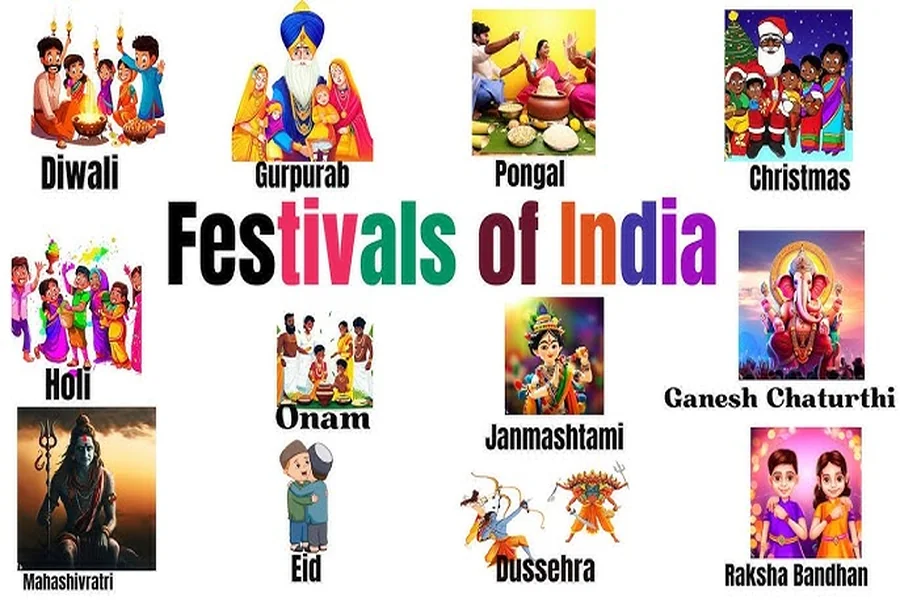
The hindi months name with festivals are an important part of India’s cultural and religious heritage. While the Gregorian calendar is commonly used for work education and daily life the Hindu calendar continues to guide the dates of festivals fasting days religious ceremonies and many family celebrations. Every Hindi month has its own identity seasonal significance and special festivals that bring families and communities together.
The Hindu calendar is mainly based on the lunar cycle. Because of this the beginning of every month changes slightly each year when compared with the English calendar. This is also the reason why major Hindu festivals such as Holi Diwali Navratri and Raksha Bandhan fall on different English dates every year.
Learning the Hindi months is useful for students teachers travelers and anyone interested in Indian traditions. Understanding the connection between the months and festivals also helps people appreciate the cultural richness of India.
This guide explains the complete hindi months name with festivals along with their meanings seasonal importance and major celebrations.
Complete List of hindi months name with festivals
The Hindu calendar consists of twelve months. Every month is linked with important festivals and religious observances.
| Hindi Month | Hindi Script | Approximate English Months | Major Festivals |
|---|---|---|---|
| Chaitra | चैत्र | March to April | Chaitra Navratri Ram Navami Gudi Padwa Ugadi |
| Vaishakha | वैशाख | April to May | Buddha Purnima Akshaya Tritiya |
| Jyeshtha | ज्येष्ठ | May to June | Vat Savitri Vrat Ganga Dussehra Nirjala Ekadashi |
| Ashadha | आषाढ़ | June to July | Jagannath Rath Yatra Guru Purnima |
| Shravana | श्रावण | July to August | Raksha Bandhan Nag Panchami Shravan Somvar |
| Bhadrapada | भाद्रपद | August to September | Janmashtami Ganesh Chaturthi Hartalika Teej |
| Ashwin | आश्विन | September to October | Navratri Durga Puja Dussehra Sharad Purnima |
| Kartika | कार्तिक | October to November | Diwali Govardhan Puja Bhai Dooj Kartik Purnima |
| Margashirsha | मार्गशीर्ष | November to December | Gita Jayanti Vivah Panchami |
| Pausha | पौष | December to January | Pausha Putrada Ekadashi Paush Purnima |
| Magha | माघ | January to February | Makar Sankranti Vasant Panchami Magh Mela |
| Phalguna | फाल्गुन | February to March | Maha Shivaratri Holika Dahan Holi |
These months complete one Hindu calendar year. Their exact dates change every year because they follow lunar calculations.
Festivals Celebrated During Each Hindi Month
Every Hindi month has its own religious and cultural importance. The festivals celebrated during these months reflect India’s diversity and traditions.
Chaitra
Chaitra marks the beginning of the Hindu New Year in many states. Chaitra Navratri honors Goddess Durga through nine days of worship. Ram Navami celebrates the birth of Lord Rama. Gudi Padwa and Ugadi mark the New Year in Maharashtra Karnataka Andhra Pradesh and Telangana.
Vaishakha
Vaishakha is known as a sacred month for charity and spiritual activities. Akshaya Tritiya is considered highly auspicious for starting new ventures and buying gold. Buddha Purnima celebrates the birth enlightenment and teachings of Lord Buddha.
Jyeshtha
Jyeshtha is one of the hottest months in India. Married women observe Vat Savitri Vrat for the wellbeing of their husbands. Ganga Dussehra celebrates the descent of the holy River Ganga to Earth. Nirjala Ekadashi is observed with strict fasting by many devotees.
Ashadha
Ashadha welcomes the monsoon season in many regions. Jagannath Rath Yatra attracts millions of devotees who participate in the grand chariot procession. Guru Purnima honors teachers spiritual guides and mentors.
Shravana
Shravana is considered one of the holiest months for Lord Shiva. Devotees observe Shravan Somvar fasts and visit Shiva temples. Raksha Bandhan celebrates the bond between brothers and sisters. Nag Panchami honors serpent deities with prayers and rituals.
Bhadrapada
Bhadrapada is filled with joyful celebrations. Janmashtami marks the birth of Lord Krishna. Ganesh Chaturthi welcomes Lord Ganesha into homes and public pandals. Hartalika Teej is observed by many women through fasting and prayers.
Ashwin
Ashwin is one of the most festive months of the year. Navratri celebrates Goddess Durga through dance music and worship. Durga Puja is especially grand in eastern India. Dussehra celebrates the victory of good over evil through the story of Lord Rama.
Kartika
Kartika is considered one of the most sacred months in Hindu tradition. Diwali is the festival of lights celebrated across India. Govardhan Puja honors Lord Krishna. Bhai Dooj celebrates the relationship between brothers and sisters while Kartik Purnima is observed with temple visits and holy baths.
Margashirsha
Margashirsha encourages spiritual reflection and devotion. Gita Jayanti commemorates the day when Lord Krishna delivered the Bhagavad Gita to Arjuna. Vivah Panchami celebrates the marriage of Lord Rama and Goddess Sita.
Pausha
Pausha is associated with winter traditions and family gatherings. Pausha Putrada Ekadashi is observed for blessings and prosperity. Paush Purnima is marked by holy bathing and charitable activities.
Magha
Magha is famous for religious fairs and spiritual practices. Makar Sankranti celebrates the Sun’s movement into Capricorn. Vasant Panchami honors Goddess Saraswati and marks the arrival of spring. Magh Mela attracts pilgrims from across the country.
Phalguna
Phalguna is the final month of the Hindu calendar. Maha Shivaratri is dedicated to Lord Shiva. Holika Dahan symbolizes the victory of good over evil. Holi fills the country with colors music happiness and togetherness.
Connection Between Hindi Months and Indian Seasons
The Hindi calendar divides the year into six traditional seasons.
Vasant Ritu includes Chaitra and Vaishakha and represents spring.
Grishma Ritu includes Jyeshtha and Ashadha and brings summer.
Varsha Ritu includes Shravana and Bhadrapada and marks the rainy season.
Sharad Ritu includes Ashwin and Kartika and offers clear pleasant weather.
Hemant Ritu includes Margashirsha and Pausha and begins winter.
Shishir Ritu includes Magha and Phalguna and completes the winter season before spring returns.
The festivals of each month often reflect the weather farming cycle and natural environment of that season.
Why Hindi Months and Festivals Still Matter
Despite modern calendars the Hindu calendar remains deeply connected to daily life.
Families use it to determine wedding dates.
Temples follow it for annual celebrations.
Farmers observe seasonal changes through traditional months.
Religious fasts are scheduled according to lunar dates.
Schools teach students about Indian heritage through the Hindu calendar.
Many communities organize fairs processions and cultural programs according to these months.
These traditions help preserve India’s cultural identity across generations.
Easy Ways to Remember Hindi Months with Festivals
Learning the months becomes easier when every month is linked with its most famous festival.
Associate Chaitra with Ram Navami.
Remember Vaishakha through Buddha Purnima.
Connect Ashadha with Rath Yatra.
Think of Shravana as the month of Raksha Bandhan.
Remember Bhadrapada through Ganesh Chaturthi.
Associate Ashwin with Navratri and Dussehra.
Think of Kartika as the month of Diwali.
Remember Phalguna through Holi.
Reading the list regularly and using a Hindu calendar will help you remember all twelve months.
Final Thought
The hindi months name with festivals provide a beautiful connection between faith culture nature and community life. Every month carries its own traditions meaningful celebrations and seasonal changes that have been followed for centuries. These festivals bring families together strengthen cultural values and remind people of the importance of devotion gratitude and togetherness.
Whether you are a student preparing for exams a traveler interested in Indian culture or someone who wants to understand Hindu traditions learning the Hindi months and their festivals is both useful and rewarding. The Hindu calendar continues to guide millions of people and remains an important part of India’s rich heritage.
FAQs
How many Hindi months are there?
There are twelve months in the traditional Hindu calendar.
Why do festival dates change every year?
Festival dates change because the Hindu calendar follows the lunar cycle rather than the fixed solar calendar.
Which month celebrates Diwali?
Diwali is celebrated during Kartika.
Which month celebrates Holi?
Holi is celebrated during Phalguna.
Which month is dedicated to Lord Shiva?
Shravana is widely regarded as the most sacred month for Lord Shiva worship.
Which month includes Ganesh Chaturthi?
Ganesh Chaturthi is celebrated during Bhadrapada.
Which month marks the Hindu New Year?
Chaitra marks the beginning of the Hindu New Year in many regions of India.
Why is it useful to learn Hindi months with festivals?
Learning the Hindi months with festivals helps people understand Indian culture religious traditions seasonal changes and the timing of important celebrations.