
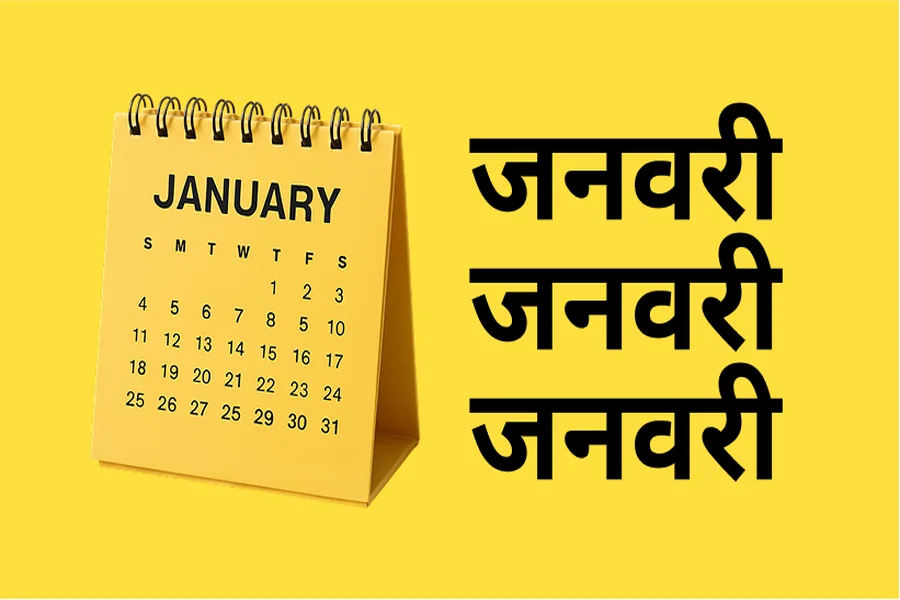
Days and months name in hindi and english
Learning the days and months name in hindi and english is an excellent way to understand both languages while improving everyday communication. Whether you are a student a parent a teacher or someone learning Hindi knowing the names of the days and months helps you read calendars write dates understand school lessons and participate in cultural activities.
Hindi is one of the most widely spoken languages in the world. Millions of people use it every day across India and in many other countries. While English is commonly used in education business and technology Hindi continues to play an important role in family life festivals government communication and literature.
Many students first learn the English names of days and months but later need to understand their Hindi equivalents. Since schools often teach both languages together learning them side by side makes remembering them much easier.
This guide explains the complete days and months name in hindi and english with pronunciation meanings examples and useful learning tips. You will also discover the difference between English months and traditional Hindi calendar months.
Days Name in Hindi and English
There are seven days in every week. Below is the complete list with Hindi script and pronunciation.
| English | Hindi | Pronunciation |
|---|---|---|
| Monday | सोमवार | Somvaar |
| Tuesday | मंगलवार | Mangalvaar |
| Wednesday | बुधवार | Budhvaar |
| Thursday | गुरुवार | Guruvaar |
| Friday | शुक्रवार | Shukravaar |
| Saturday | शनिवार | Shanivaar |
| Sunday | रविवार | Ravivaar |
These names are commonly used in schools offices newspapers television programs and daily conversations across India.
Many people also associate each day with a particular planet or Hindu deity according to traditional beliefs.
English Months Name with Hindi Translation
The English calendar contains twelve months. These months are used worldwide for education business travel and government work.
| English Month | Hindi Name |
| January | जनवरी |
| February | फ़रवरी |
| March | मार्च |
| April | अप्रैल |
| May | मई |
| June | जून |
| July | जुलाई |
| August | अगस्त |
| September | सितंबर |
| October | अक्टूबर |
| November | नवंबर |
| December | दिसंबर |
These are Hindi translations of the English calendar months. They are different from the traditional Hindu calendar months.
Traditional Hindi Months Name
Apart from the English calendar India also follows the traditional Hindu calendar for festivals and religious ceremonies.
| Hindi Month | Hindi Script | Approximate English Months |
| Chaitra | चैत्र | March to April |
| Vaishakha | वैशाख | April to May |
| Jyeshtha | ज्येष्ठ | May to June |
| Ashadha | आषाढ़ | June to July |
| Shravana | श्रावण | July to August |
| Bhadrapada | भाद्रपद | August to September |
| Ashwin | आश्विन | September to October |
| Kartika | कार्तिक | October to November |
| Margashirsha | मार्गशीर्ष | November to December |
| Pausha | पौष | December to January |
| Magha | माघ | January to February |
| Phalguna | फाल्गुन | February to March |
These months are mainly used to determine festivals fasting days weddings and other religious occasions.
Importance of Learning Days and Months in Hindi and English
Knowing the names of days and months in both languages offers many practical benefits.
Students can understand school lessons more easily.
Parents can help children with homework. Here you also know viralshayari.
Travelers can communicate better while visiting Hindi speaking regions.
Professionals working in bilingual environments can understand calendars schedules and official documents.
People interested in Indian culture can understand festivals and traditional events more clearly.
Language learners also improve their vocabulary pronunciation and reading skills by practicing these basic words every day.
Difference Between English Months and Hindi Calendar Months
Many beginners become confused because India uses two different systems.
The English calendar follows the movement of the Sun.
The Hindu calendar mainly follows the movement of the Moon.
English months always begin on fixed dates every year.
Traditional Hindi months begin according to lunar calculations so their dates change slightly each year.
Schools businesses banks and government offices mainly use the English calendar.
Temples festivals weddings and many religious ceremonies follow the Hindu calendar.
Both calendars are important and are often used together throughout India.
Easy Ways to Remember Days and Months
Learning becomes easier when you use simple techniques every day.
Read the names aloud every morning.
Write all seven days several times each week.
Memorize one English month and its Hindi translation every day.
Use bilingual wall calendars at home.
Practice speaking today’s day and month in both languages.
Create flashcards with English on one side and Hindi on the other.
Watch children’s educational videos that teach days and months.
Practice short conversations using the names regularly.
Consistent practice helps learners remember these words naturally.
Using Days and Months in Daily Life
Knowing the names is useful only when you practice them regularly.
Children use them while writing school dates.
Employees use them while scheduling meetings.
Families use them while planning birthdays holidays and celebrations.
Students read them in textbooks examination schedules and school notices.
Travelers understand railway airline and bus schedules more easily.
Festival announcements also become easier to understand when you know both English and traditional Hindi calendar terms.
Using these names every day improves confidence and language skills.
Common Mistakes to Avoid
Some learners mix English calendar months with traditional Hindi months.
Remember that January is translated as जनवरी while Magha is a traditional Hindu calendar month.
Do not confuse Sunday which is रविवार with Saturday which is शनिवार.
Practice correct pronunciation because similar sounding words may confuse beginners.
Review the sequence regularly instead of memorizing random names.
Reading calendars every day is one of the easiest ways to avoid mistakes.
Final Thought
The days and months name in hindi and english are among the first lessons every language learner should master. These simple words help students understand school lessons travelers communicate more confidently and families preserve cultural traditions.
Learning both English calendar months and traditional Hindi months gives a complete understanding of how dates festivals and daily schedules work in India. With regular practice using calendars flashcards and daily conversations anyone can remember the names quickly.
Whether you are learning Hindi for education work travel or personal interest these basic words provide a strong foundation for further language learning and a deeper appreciation of Indian culture.
FAQs
How many days are there in a week?
There are seven days in a week.
How many months are there in the English calendar?
The English calendar has twelve months.
Are English months and Hindi calendar months the same?
No. English months follow the solar calendar while traditional Hindi months mainly follow the lunar calendar.
What is Monday called in Hindi?
Monday is called सोमवार or Somvaar.
What is Sunday called in Hindi?
Sunday is called रविवार or Ravivaar.
Why should students learn days and months in both Hindi and English?
Learning both languages improves communication reading skills academic performance and understanding of Indian culture.
Which calendar is used for Hindu festivals?
Most Hindu festivals are determined according to the traditional Hindu lunar calendar.
What is the easiest way to remember days and months?
Practice reading and writing the names daily use bilingual calendars create flashcards and speak the names during everyday conversations.